
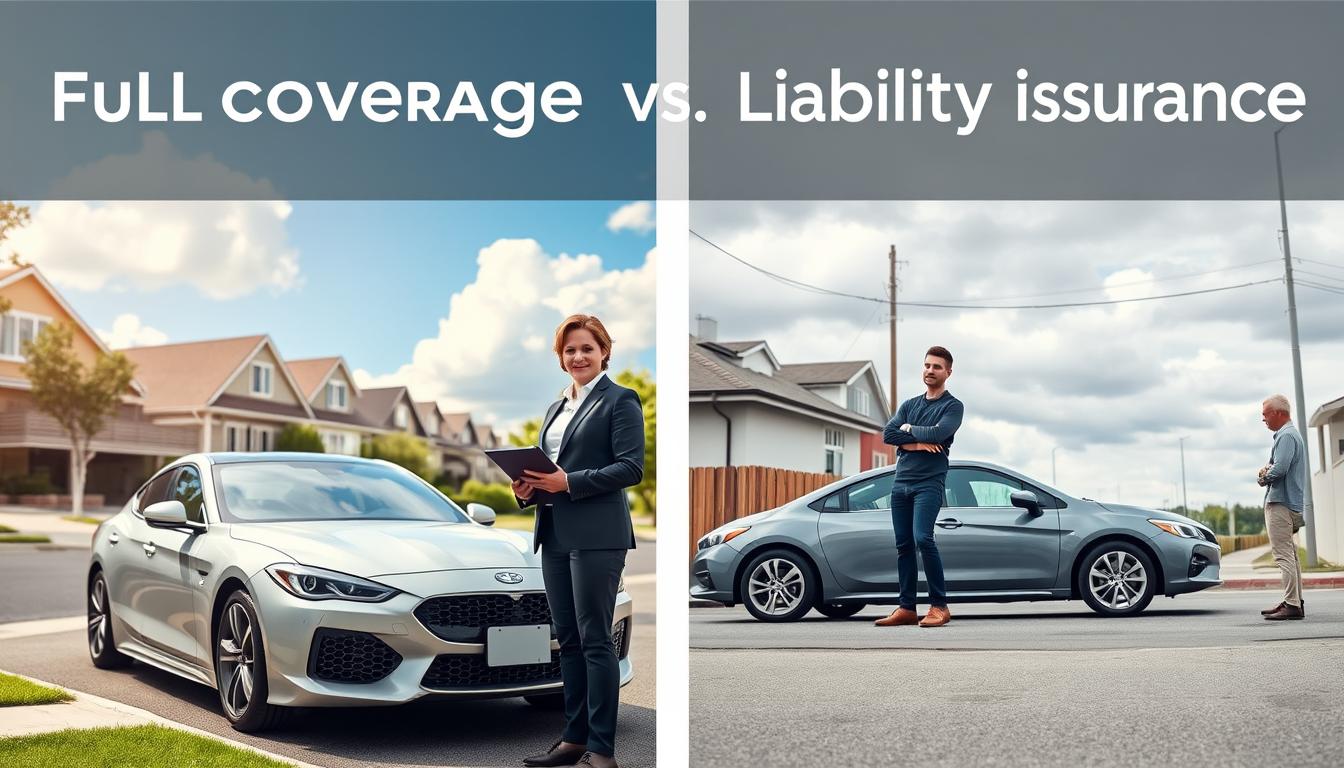
Are you wondering if you’re adequately protecting your vehicle with the right insurance coverage? Choosing between full coverage and liability insurance can be a daunting task, especially with the numerous options available.
Understanding the differences between these insurance types is crucial for making an informed decision that suits your needs and budget. In this article, we’ll delve into the specifics of each, comparing their benefits and drawbacks to help you decide.
As you navigate the complex world of auto insurance, it’s essential to consider your financial situation, the value of your vehicle, and your personal risk tolerance.
Key Takeaways
Table of Contents
- Understand the basic differences between full coverage and liability insurance.
- Learn how to compare comprehensive insurance options.
- Discover the factors that influence your choice between full coverage and liability insurance.
- Find out how your financial situation and vehicle value impact your insurance decision.
- Gain insights into assessing your personal risk tolerance for insurance.
Understanding Auto Insurance Basics
Understanding the fundamentals of auto insurance is crucial for making informed decisions about your coverage. Auto insurance is designed to protect you financially in the event of an accident or other damage to your vehicle.
What Insurance Protects You Against
Auto insurance protects you against various risks, including accidents, theft, and natural disasters. Liability insurance covers damages to others in an accident, while collision coverage pays for damages to your vehicle. Comprehensive coverage, on the other hand, protects against non-accident damages, such as theft or vandalism.
State Requirements vs Personal Protection
While state requirements for auto insurance vary, most mandate at least liability insurance. However, your personal protection needs may dictate additional coverage. For instance, if you have a financed or leased vehicle, you may be required to carry full coverage, which includes comprehensive and collision insurance.
Understanding the difference between what’s required by law and what you need for personal protection is key to making the right choice between full coverage and liability insurance.
What Is Liability Insurance?
At its core, liability insurance is designed to cover costs associated with injuries or damages to others when you’re at fault in an accident. This type of insurance is mandatory in most states and serves as a financial safety net for drivers.
Bodily Injury Liability Coverage
Bodily injury liability coverage is a component of liability insurance that pays for medical expenses, lost wages, and other related costs for individuals injured in an accident where you’re at fault. It’s essential for protecting your assets in case of a lawsuit.
Property Damage Liability Coverage
Property damage liability coverage, on the other hand, covers damages to other people’s property, such as their vehicles, buildings, or other structures. This coverage helps in repairing or replacing the damaged property.
Liability Coverage Limits Explained
Liability coverage limits refer to the maximum amount your insurance company will pay for damages or injuries in an accident. These limits are typically expressed in a series of three numbers (e.g., 25/50/25), representing bodily injury per person, bodily injury per accident, and property damage, respectively.
| Coverage Type | Description | Example Limits |
|---|---|---|
| Bodily Injury Liability | Covers medical expenses for others | $25,000 per person, $50,000 per accident |
| Property Damage Liability | Covers damages to others’ property | $25,000 |

Understanding these components and limits is crucial for choosing the right liability insurance coverage for your needs.
What Is Full Coverage Insurance?
Understanding full coverage insurance is crucial for making informed decisions about your vehicle’s protection. Full coverage insurance is not a single type of insurance but rather a combination of coverages that provide broad protection against various risks.
Comprehensive Coverage Components
Comprehensive coverage is a key component of full coverage insurance. It protects your vehicle against damages that are not related to an accident, such as theft, vandalism, natural disasters, and fire. This coverage is essential for vehicle owners who want to ensure they are protected against a wide range of potential hazards.
Collision Coverage Explained
Collision coverage is another vital element of full coverage insurance. It covers the cost of repairing or replacing your vehicle if it is involved in an accident, regardless of who is at fault. This means that whether you collide with another vehicle or an object, collision coverage can help you get back on the road quickly.
Additional Protections Included
In addition to comprehensive and collision coverage, full coverage insurance policies may include other protections, such as roadside assistance, rental car coverage, and glass repair. These additional benefits can enhance your overall protection and provide peace of mind while driving.
By understanding the components of full coverage insurance, you can better assess whether this type of insurance is right for you. It’s a comprehensive solution designed to protect your vehicle and financial well-being.
Full Coverage vs Liability Insurance: Key Differences
Understanding the nuances between full coverage and liability insurance is crucial for making an informed decision about your auto insurance needs. The primary differences lie in their protection scope, cost, payout scenarios, and coverage limitations.
Protection Scope Comparison
Liability insurance is designed to cover damages to other people or property in the event of an accident where you’re at fault. It includes bodily injury liability and property damage liability but does not cover your own vehicle’s damages or medical expenses.
In contrast, full coverage insurance includes liability insurance plus comprehensive and collision coverage. This means it not only covers damages to others but also damages to your vehicle, regardless of fault, and often includes additional protections like roadside assistance.

Cost Differences
The cost of liability insurance is generally lower because it offers less comprehensive coverage. On the other hand, full coverage insurance is more expensive due to its broader protection scope.
- Liability insurance premiums are influenced by factors like driving history and the level of coverage chosen.
- Full coverage premiums are higher because they factor in the value of your vehicle and the cost of comprehensive and collision coverage.
When Each Type Pays Out
Liability insurance pays out when you’re at fault in an accident, covering damages to others. It does not cover your own expenses.
Full coverage insurance, however, pays out in a variety of scenarios, including accidents where you’re at fault (through liability coverage), damages to your vehicle (through comprehensive and collision coverage), and sometimes even events like theft or natural disasters.
“The right insurance coverage is not just about complying with the law; it’s about protecting your financial well-being.” – Insurance Expert
Coverage Limitations
Liability insurance has limitations in that it only covers damages to others and does not provide direct financial protection for your vehicle or personal injuries.
Full coverage, while more comprehensive, still has its limits, such as the deductible for comprehensive and collision claims, and may not cover certain types of damage or situations unless specifically included.
When deciding between full coverage and liability insurance, it’s essential to consider your financial situation, the value of your vehicle, and your risk tolerance. By understanding these key differences, you can make a more informed decision that aligns with your needs.
When Liability Insurance Is Enough
Liability insurance might be the right choice for you if you have an older vehicle or are on a tight budget. This type of insurance covers damages to others in an accident, which is a critical aspect of understanding liability and full coverage. However, it doesn’t cover your vehicle’s damages or your medical expenses.
Older Vehicles with Lower Value
If your vehicle is older and has a lower value, the cost of full coverage might not be justified. In such cases, liability insurance can provide the necessary protection without the additional expense of comprehensive and collision coverage.
Budget Constraints Considerations
For those with tight budget constraints, liability insurance can be a more affordable option. It’s essential to weigh the costs against the benefits and consider whether the additional coverage is feasible.
Low-Risk Driving Situations
In low-risk driving situations, such as living in areas with low crime rates or having a good driving record, the need for full coverage may be reduced, making liability insurance a viable choice.
Ultimately, the decision between liability vs full coverage auto insurance depends on your individual circumstances, including your vehicle’s value, financial situation, and driving conditions.
When You Should Choose Full Coverage
The decision to purchase full coverage insurance should be based on your vehicle’s value, driving conditions, and personal asset protection needs. Full coverage insurance, which includes comprehensive and collision coverage, provides extensive protection against various risks.
New or Financed Vehicles
For new or financed vehicles, full coverage insurance is often required by lenders to protect their investment. This type of insurance ensures that you can repair or replace your vehicle if it’s damaged or stolen.
High-Value Cars
Owners of high-value cars may also benefit from full coverage insurance, as it provides financial protection against costly repairs or replacement.

| Situation | Liability Insurance | Full Coverage Insurance |
|---|---|---|
| New or Financed Vehicle | No | Yes |
| High-Value Car | No | Yes |
| Areas with Higher Risk Factors | No | Yes |
Areas with Higher Risk Factors
Driving in areas prone to natural disasters, high crime rates, or other risk factors may make full coverage insurance a wise choice.
Personal Asset Protection
Additionally, individuals with significant personal assets may choose full coverage insurance to protect their assets in case of an accident or lawsuit.
In conclusion, full coverage insurance is advisable for new or financed vehicles, high-value cars, driving in high-risk areas, or for personal asset protection. By understanding these factors, you can make an informed decision about your insurance needs.
How to Make the Right Decision for Your Situation
To make an informed decision about your auto insurance, you must first evaluate your vehicle’s value, financial risk tolerance, and the cost-benefit ratio of different insurance options. This comprehensive approach will help you choose between full coverage and liability insurance.
Evaluating Your Vehicle’s Value
The value of your vehicle plays a significant role in determining the type of insurance coverage you need. If you own a new or high-value vehicle, full coverage might be the better option to protect your investment. On the other hand, if your vehicle is older and has a lower value, liability insurance might be sufficient.
Assessing Your Financial Risk Tolerance
Your financial situation and risk tolerance are crucial factors in deciding on auto insurance. If you have the financial means to cover potential damages or losses out of pocket, you might opt for liability insurance. However, if you’re risk-averse or can’t afford to cover these costs, full coverage could provide more peace of mind.
Calculating Cost-Benefit Ratio
When comparing full coverage and liability insurance, it’s essential to calculate the cost-benefit ratio. Consider the premiums, deductibles, and potential payouts for each type of insurance. “The key is to find a balance between the cost of insurance and the level of protection it offers.”
Common Mistakes to Avoid When Choosing Coverage
There are several common mistakes to avoid when selecting auto insurance. These include underestimating your liability needs and overpaying for unnecessary coverage.
Underestimating Liability Needs
One of the significant mistakes is underestimating your liability needs. “Liability insurance is not just about complying with state requirements; it’s about protecting your assets in case of an accident.” Ensure you have adequate coverage to avoid financial ruin.
Overpaying for Unnecessary Coverage
On the other hand, overpaying for unnecessary coverage can be a waste of money. Carefully assess your needs and avoid adding unnecessary features to your policy. As
“The best insurance is the one that provides the right coverage at the right price.”
Choosing the Right Insurance for Your Needs
The decision between full coverage and liability insurance hinges on several factors, including the vehicle’s value, financial stability, and personal risk assessment. When comparing full coverage vs liability insurance, consider the level of protection you need. Liability insurance covers damages to others in an accident, while full coverage includes additional protections like comprehensive and collision coverage.
Understanding the differences between liability vs full coverage auto insurance is crucial. Full coverage insurance benefits include enhanced financial protection against theft, vandalism, and natural disasters. Evaluate your vehicle’s value, financial risk tolerance, and the cost-benefit ratio of each insurance type to make an informed decision.
Ultimately, the choice depends on your individual circumstances. Carefully assess your needs, and consider consulting with an insurance professional to determine the best option for you.