

Did you know that police officers in the United States fatally shoot over 1,000 people every single year? This startling statistic highlights a significant requirement for public awareness and strong legal protections. When interactions with the law turn violent, the impact creates lasting emotional trauma for families and communities.
Navigating a formal legal battle for justice might seem like an uphill struggle for many victims. However, standing up for your dignity is a vital part of the American justice system. This path allows everyday citizens to hold government officials responsible for their physical actions.
Starting the process of excessive force civil litigation ensures that constitutional rights stay strong and relevant. We will walk you through the fundamental procedures of building a robust case. Your future safety and your legal voice matter deeply in this pursuit of fairness.
Key Takeaways
- Understand how to identify violations of your constitutional rights.
- Learn the standard procedures for filing a formal legal claim.
- Discover why physical evidence is the most powerful tool for your case.
- Find out how to select a knowledgeable legal professional for help.
- Explore how these cases encourage better policing in your community.
- Gain the confidence needed to navigate the complex legal system.
Understanding Excessive Force and Your Constitutional Rights
Understanding what constitutes excessive force is crucial for recognizing when law enforcement actions cross the line into unconstitutional behavior. The concept of excessive force is closely tied to the protections afforded by the Fourth Amendment of the U.S. Constitution, which guards against unreasonable searches and seizures.
What Legally Constitutes Excessive Force
Excessive force occurs when law enforcement officers use more force than is reasonably necessary to manage a situation. The determination of what is “reasonable” can be complex and depends on the specific circumstances of each incident. Factors such as the severity of the crime, whether the suspect poses an immediate threat, and whether the suspect is actively resisting or fleeing are considered.
Key factors in determining excessive force include:
- The severity of the crime at issue
- Whether the suspect poses an immediate threat to the safety of the officers or others
- Whether the suspect is actively resisting arrest or attempting to evade arrest by flight
How the Fourth Amendment Protects You from Police Misconduct
The Fourth Amendment is fundamental in protecting individuals from police misconduct, including excessive force. It mandates that any force used by law enforcement must be objectively reasonable. This amendment is the cornerstone of excessive force legal representation, providing the legal basis for individuals to seek redress when their rights have been violated.
The landmark case of Graham v. Connor (1989) established that the reasonableness of a particular use of force must be judged from the perspective of a reasonable officer on the scene.
Common Examples of Excessive Force Incidents
Excessive force can manifest in various ways, from physical confrontations to the use of weapons. Some common examples include:
| Incident Type | Description |
|---|---|
| Unnecessary physical force | Using physical force against a suspect who is not resisting arrest. |
| Improper use of weapons | Discharging a firearm or using a Taser on a suspect who does not pose an immediate threat. |
| Excessive use of chemical agents | Using pepper spray or other chemical agents on individuals who are not actively resisting or posing a threat. |
If you or someone you know has been a victim of excessive force, it’s crucial to seek the advice of a police misconduct lawyer to understand your rights and the potential for a police brutality lawsuit.
Recognizing If You Have a Valid Excessive Force Case
To ascertain if you have a valid excessive force lawsuit, it’s essential to examine the circumstances surrounding your encounter with law enforcement. Excessive force cases are complex and depend on various factors that courts evaluate to determine whether an individual’s civil rights have been violated.
Essential Elements Required for a Police Brutality Lawsuit
For a police brutality lawsuit to be successful, several key elements must be present. These include:
- Excessive Use of Force: The force used by the law enforcement officer must be deemed excessive under the circumstances.
- Violation of Constitutional Rights: The action must violate the individual’s constitutional rights, typically the Fourth Amendment right against unreasonable seizures.
- Causation: There must be a direct link between the officer’s actions and the harm suffered by the individual.
- Damage or Injury: The individual must have suffered some form of damage or injury as a result of the excessive force.
Understanding these elements is crucial for determining the validity of an excessive force claim. Consulting with a civil rights attorney can provide clarity on whether your experience meets these criteria.
Understanding the Reasonableness Standard Courts Apply
The reasonableness standard is a critical factor in excessive force cases. Courts assess whether the force used was objectively reasonable in light of the circumstances confronting the officer. This evaluation considers factors such as:
| Factor | Description |
|---|---|
| The severity of the crime | The more severe the crime, the more likely that significant force might be justified. |
| The threat posed by the suspect | If the suspect poses an immediate threat to the officer or others, greater force may be deemed reasonable. |
| Whether the suspect is actively resisting arrest | Active resistance can justify a higher level of force, but it must still be proportionate. |
Identifying When Officers Cross the Line of Legal Authority
Law enforcement officers are granted significant authority, but there are limits to their power. Officers cross the line when they use force that is not justified by the circumstances. This can include:
- Using lethal force when there is no imminent threat of death or serious injury.
- Continuing to use force after a suspect has been subdued or is no longer resisting.
- Employing tactics that are not proportionate to the situation at hand.
Recognizing these scenarios is vital for individuals to understand their rights and for holding law enforcement accountable. If you believe you’ve been a victim of excessive force, seeking excessive force legal advice from a qualified attorney can help you navigate the complexities of your case.
Step 1: Take These Immediate Actions After an Excessive Force Incident
The moments following an excessive force incident are crucial, and taking immediate action can protect your rights. When you or a loved one experiences such an incident, it’s essential to remain calm and follow a clear plan to ensure your safety and the success of your potential excessive force claims.
Get Medical Treatment and Document All Injuries Thoroughly
Seeking medical attention immediately after an excessive force incident is vital, not only for your health but also for documenting your injuries. Medical records serve as critical evidence in excessive force compensation cases. Ensure that you get treated by a healthcare professional who can thoroughly assess and document your injuries.
Detailed medical records should include descriptions of your injuries, treatments provided, and any follow-up care recommended. This documentation will be indispensable when filing your claim.
Preserve Physical Evidence From the Scene
Preserving evidence from the scene of the incident is crucial for building a strong case. If you’re able, take photos or videos of the scene, including any injuries you or others have sustained. Also, make a note of any witnesses and their contact information.
Key evidence to preserve includes:
- Clothing and personal items damaged during the incident
- Photos or videos of the scene and injuries
- Witness statements and contact information
File Official Reports Through the Right Channels
Filing an official report is a critical step in documenting the incident. This report can be filed with the police department involved or through an internal affairs division. Ensure you get a copy of the report for your records.
If you’re having trouble filing a report or need assistance, consider reaching out to a civil rights attorney who specializes in excessive force cases.
Avoid These Common Mistakes That Can Harm Your Case
There are several common mistakes that individuals make after an excessive force incident that can harm their case. These include:
| Mistake | Consequence |
|---|---|
| Delaying medical treatment | Weakens the link between the incident and your injuries |
| Not documenting injuries | Lack of evidence to support your claim |
| Failing to file an official report | Reduces the credibility of your claim |
| Discussing the incident on social media | Can be used against you in court |
Avoiding these mistakes can significantly strengthen your excessive force claims and improve your chances of receiving fair excessive force compensation.
Step 2: Gather and Preserve Critical Evidence for Your Case
To strengthen your excessive force case, it’s essential to gather and preserve critical evidence immediately. The quality and quantity of evidence can significantly impact the outcome of your case, making it crucial to act swiftly and thoroughly.
Collect Witness Information and Written Statements
Witnesses can provide invaluable testimony to support your excessive force claim. It’s vital to collect witness contact information and obtain written statements as soon as possible. Witnesses may include bystanders, other officers present at the scene, or even the individuals involved in the incident.
When collecting witness statements, ensure that you capture their account of what happened in their own words. This can be done through written statements or recorded interviews, with their consent. A police misconduct lawyer can help guide this process and ensure that witness testimony is properly documented.
Obtain Video Footage, Photos, and Audio Recordings
Visual and audio evidence can be incredibly compelling in excessive force cases. This may include:
- Surveillance footage from nearby businesses or residential properties
- Body camera footage from the officers involved
- Dashcam footage from police vehicles
- Photos of injuries or property damage
- Audio recordings of 911 calls or other relevant communications
Obtaining this evidence promptly is crucial, as it may be lost, damaged, or overwritten if not secured quickly.
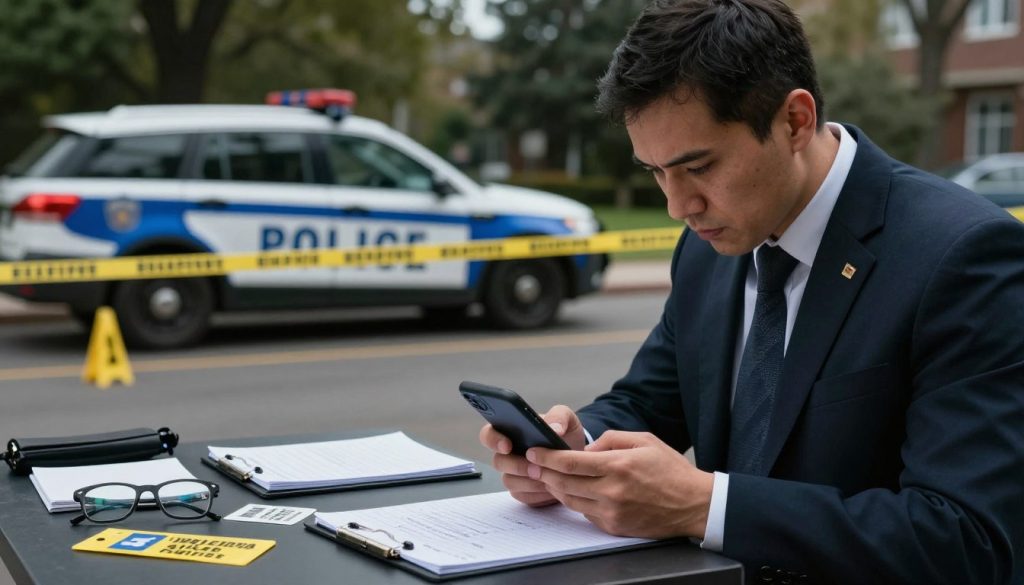
Request Police Reports and Body Camera Footage
Official police reports and body camera footage are critical pieces of evidence. You or your attorney should request these documents through the appropriate channels. Police reports can provide a detailed account of the incident from the officers’ perspective, while body camera footage can offer a firsthand view of what occurred.
When requesting these documents, be sure to follow the proper procedures and keep a record of your requests. This can help ensure that you receive the evidence in a timely manner.
Create a Detailed Written Timeline of What Happened
Creating a detailed timeline of the incident can help organize the evidence and provide a clear narrative of events. This timeline should include:
- The date, time, and location of the incident
- A step-by-step account of what happened
- Any relevant interactions with law enforcement or other parties
- The aftermath, including any injuries or property damage
This timeline can be a valuable tool when discussing your case with a police misconduct lawyer or during settlement negotiations for an excessive force case settlement.
Step 3: Find the Right Civil Rights Attorney for Your Case
Finding a skilled civil rights attorney who specializes in excessive force legal representation is crucial for navigating the complexities of your case. The right attorney can make a significant difference in the outcome of your lawsuit.
Why Specialized Excessive Force Legal Representation Matters
Excessive force cases require attorneys with specific experience and knowledge. A specialized civil rights attorney understands the nuances of police misconduct litigation and can effectively build a strong case on your behalf.
Such attorneys are well-versed in the legal standards and precedents that govern excessive force cases, allowing them to craft compelling arguments and strategies tailored to your situation.
Important Questions to Ask During Your Initial Consultation
When meeting with a potential civil rights attorney, it’s essential to ask the right questions to assess their suitability for your case. Consider inquiring about:
- Their experience with excessive force cases
- Their approach to handling police misconduct litigation
- Their communication style and how they keep clients informed
- Their strategy for your specific case
Understanding Contingency Fee Arrangements and Costs
Many civil rights attorneys work on a contingency fee basis, meaning they only receive payment if they win your case. Understanding the fee structure and any additional costs is vital to avoid unexpected expenses.
During your initial consultation, ask about the percentage they charge and what expenses you might be responsible for, such as filing fees or expert witness costs.
Evaluating an Attorney’s Track Record with Police Misconduct Cases
An attorney’s past performance is a strong indicator of their ability to handle your case successfully. Look for a civil rights attorney with a proven track record of achieving favorable outcomes in excessive force cases.
Research their history, read client testimonials, and ask for references to gauge their expertise and effectiveness in excessive force legal representation.
Step 4: Navigate the Excessive Force Civil Litigation Process Successfully
Navigating the complex process of excessive force civil litigation requires a clear understanding of the legal steps involved. As you move forward with your excessive force lawsuit, it’s essential to be prepared for the various stages of litigation.
“The litigation process can be daunting, but with the right guidance, you can effectively navigate it,” says an experienced civil rights attorney. Understanding the process helps in setting realistic expectations and making informed decisions throughout your case.
Filing Your Complaint and Meeting Critical Deadlines
The first step in the litigation process is filing a complaint against the responsible parties. This document outlines your allegations and the damages you seek. It’s crucial to file your complaint within the statute of limitations, which varies by state. Missing this deadline can result in your case being dismissed.
To file a complaint, you will need to gather all relevant evidence and documentation, including medical records, witness statements, and any other supporting materials. Your attorney will help you prepare this document to ensure it meets all legal requirements.

What Happens During the Discovery Phase
After filing your complaint, the case proceeds to the discovery phase. During this stage, both parties exchange information and evidence. This may include:
- Interrogatories: written questions that must be answered under oath.
- Depositions: sworn testimony from witnesses and parties involved.
- Requests for production: seeking documents, electronically stored information, or tangible items.
The discovery phase is critical for building a strong case, as it allows both sides to gather necessary evidence and testimony.
Preparing for Depositions and Pre-Trial Procedures
Depositions are a crucial part of the litigation process. During a deposition, you will be questioned by the opposing attorney, and your testimony will be recorded. It’s essential to prepare thoroughly for depositions with your attorney to ensure you understand the process and can provide clear, consistent testimony.
Pre-trial procedures may also include motions to exclude certain evidence or witnesses. Your attorney will guide you through these processes, ensuring that your rights are protected.
“Preparation is key to success in depositions and pre-trial procedures. With the right strategy, you can effectively present your case,” notes a seasoned litigator.
Weighing Settlement Negotiations Against Going to Trial
As your case progresses, you may be presented with settlement offers. It’s crucial to weigh these offers carefully, considering the potential outcomes of going to trial. Settlement negotiations can provide a quicker resolution and avoid the uncertainties of a trial, but they may not always result in the outcome you desire.
Your attorney will help you evaluate settlement offers and advise on the best course of action based on the specifics of your case.
Understanding Excessive Force Compensation and Settlement Outcomes
Knowing what constitutes excessive force compensation is the first step towards seeking justice. When law enforcement officers overstep their authority, victims have the right to seek compensation for their suffering. This section will guide you through the aspects of compensation and settlement in excessive force cases.
Types of Damages Available in Your Excessive Force Lawsuit
Victims of excessive force can claim various types of damages. These include:
- Compensatory Damages: These cover actual losses such as medical expenses, lost wages, and pain and suffering.
- Punitive Damages: Intended to punish the defendant for their actions, these damages are awarded when the conduct is deemed reckless or egregious.
Understanding these categories is crucial for determining the potential value of your claim.
Key Factors That Impact Your Excessive Force Case Settlement Amount
Several factors influence the settlement amount in excessive force cases. These include:
- The severity of the injuries sustained
- The extent of the violation of constitutional rights
- The impact on the victim’s quality of life
- The conduct of the law enforcement officers involved
Each case is unique, and the settlement amount is determined based on the specifics of the incident.
Setting Realistic Expectations for Compensation
It’s essential to have realistic expectations when pursuing compensation. An experienced attorney can help you understand the potential outcomes based on similar cases and the specifics of your situation.
Factors such as the strength of evidence, the jurisdiction, and the defendant’s willingness to settle play significant roles in determining the outcome.
Typical Timeline From Filing to Resolution
The timeline for resolving an excessive force case can vary significantly. It depends on factors such as the complexity of the case, the court’s schedule, and whether the case settles out of court or goes to trial.
Generally, these cases can take anywhere from a few months to several years to resolve. Patience and persistence are key.
Conclusion
Navigating the complexities of excessive force civil litigation requires a clear understanding of your rights and the legal steps available to you. If you’ve been a victim of police brutality, seeking excessive force legal advice from a qualified attorney is crucial.
A police brutality lawsuit can help you secure compensation for the harm you’ve suffered. By understanding the process and gathering critical evidence, you can build a strong case.
When facing the aftermath of an excessive force incident, it’s essential to act promptly and seek professional guidance to ensure your rights are protected throughout the legal process.