

Did you know the Supreme Court first set clear rules for officer behavior in 1989? Before then, local standards varied wildly across the country. Today, the Bill of Rights provides vital civil liberties for every citizen.
Knowing the constitutional limits on police force keeps you safe. These legal standards ensure that officials remain fair during any encounter. If an individual faces harsh treatment, they can seek justice through the courts.
Awareness of these rules gives you power. It helps maintain a fair society where everyone stays respected. This guide aims to simplify your rights clearly. We hope this information makes you feel secure. Let us dive into the details now.
Key Takeaways
- The Fourth Amendment guards against unreasonable seizures.
- Legal standards require officers to use reasonable methods.
- Civil liberties protect individuals during traffic stops.
- Citizens may record interactions within public spaces.
- Awareness promotes safety for everyone involved.
- Unfair actions can lead to legal consequences for agencies.
1. Understanding Your Constitutional Rights During Police Encounters
The Constitution provides specific protections for individuals during police encounters, and understanding these rights is essential. During interactions with law enforcement, citizens are protected by several constitutional amendments that limit the power of police officers.
The Fourth Amendment Protection Against Unreasonable Seizures
The Fourth Amendment safeguards individuals against unreasonable seizures, which include arrests and detentions. This amendment requires law enforcement to have probable cause before seizing or arresting someone.
The Fourteenth Amendment Due Process Clause
The Fourteenth Amendment’s Due Process Clause ensures that individuals are treated fairly and that their rights are not violated by state or local authorities. It protects against arbitrary actions by government officials, including police officers.
How These Rights Work Together to Protect You
Together, the Fourth and Fourteenth Amendments create a robust protection framework for individuals during police encounters. Understanding these rights can help you recognize when they are being violated.
| Amendment | Protection | Application |
|---|---|---|
| Fourth Amendment | Protection against unreasonable seizures | Requires probable cause for arrests and detentions |
| Fourteenth Amendment | Due Process Clause | Ensures fair treatment by state and local authorities |
2. What Legally Constitutes Excessive Police Force
The legal definition of excessive police force is a critical aspect of understanding your constitutional protections. It is determined by the objective reasonableness standard, which assesses whether the force used by police was necessary given the circumstances.
The Objective Reasonableness Standard Explained
The objective reasonableness standard is a legal benchmark used to evaluate whether the force used during a police encounter was justified. This standard considers the perspective of a reasonable officer on the scene, taking into account the information available at the time.
Key Factors Courts Use to Evaluate Police Force
Courts examine several factors when determining if the police force used was excessive. These include:
Severity of the Suspected Crime
The more severe the crime, the more likely it is that a higher level of force may be deemed reasonable.
Whether You Pose an Immediate Threat
If you pose a significant threat to the officer or others, greater force may be justified.
Whether You Are Resisting or Attempting to Flee
Active resistance or flight can influence the level of force considered reasonable.
| Factor | Consideration | Impact on Force Justification |
|---|---|---|
| Severity of Crime | More severe crimes may justify higher force | Increases likelihood of force being deemed reasonable |
| Immediate Threat | Significant threat to officer or others | Justifies greater force |
| Resisting or Fleeing | Active resistance or attempt to flee | May justify increased force |
Real-World Examples of Excessive Force
Examples of excessive force include using lethal force against unarmed individuals who do not pose an immediate threat.
Understanding these factors and the objective reasonableness standard can help clarify when police actions may cross the line into excessive force.
3. How to Recognize When Your Rights Are Being Violated
Knowing how to identify violations of your rights during police interactions can be a powerful tool. It empowers you to stand up for yourself and seek justice when necessary.
Warning Signs of Excessive Force in Action
Excessive force can manifest in various ways, including physical violence, verbal abuse, and unnecessary use of restraints. Be aware of the following signs:
- Police using pepper spray, batons, or other weapons without justification
- Officers applying handcuffs too tightly or using chokeholds
- Verbal commands that are aggressive or demeaning
Understanding Lawful Versus Unlawful Use of Force
Lawful use of force is typically proportionate to the threat posed and follows established protocols. Unlawful force, on the other hand, is excessive and violates constitutional protections. Understanding this distinction is key to recognizing rights violations.
Common Situations Where Violations Frequently Occur
Violations can occur during arrests, traffic stops, and searches. Be particularly cautious in situations where you’re not posing an immediate threat but are still subjected to aggressive police behavior.
4. Constitutional Limits on Police Force You Should Know
The Constitution sets clear boundaries on the use of force by law enforcement officers. These boundaries are designed to protect citizens from excessive police force while allowing officers to perform their duties effectively.
Legal Boundaries That Restrict Officer Actions
Law enforcement officers are subject to constitutional limits that dictate when and how they can use force. These limits are primarily derived from the Fourth Amendment, which protects against unreasonable seizures, and the Fourteenth Amendment, which ensures due process.
The Proportionality Principle in Action
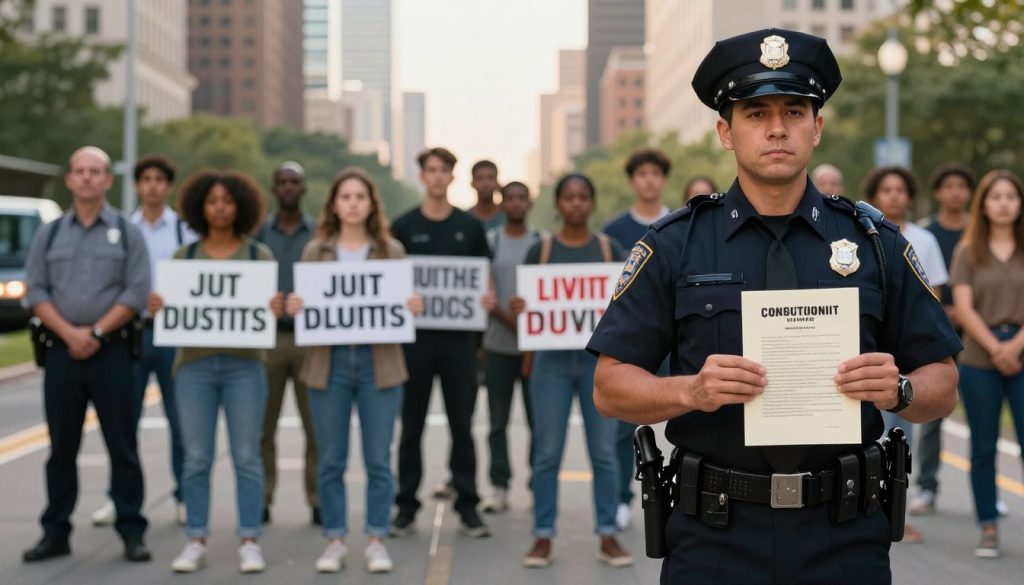
The proportionality principle is a key concept in determining whether the use of force by police is justified. It requires that the level of force used be proportionate to the threat posed by the individual.
Strict Limitations on Deadly Force
The use of deadly force by police is subject to strict limitations. Officers are generally only permitted to use deadly force when there is a significant threat to their life or the lives of others.
Special Protections for Non-Threatening Individuals
Individuals who are not posing a threat to law enforcement officers or others are entitled to special protections. The use of force against non-threatening individuals is considered excessive and is not permitted under the Constitution.
5. Step-by-Step Guide to Protecting Yourself During Police Encounters
Protecting yourself during police encounters requires a combination of knowledge and calm behavior. When faced with law enforcement, it’s essential to understand your rights and how to assert them effectively.
Step 1: Remain Calm and Begin Mental Documentation
Staying calm allows you to think clearly and make rational decisions. Begin mentally documenting the encounter, noting the time, location, and the officers’ badge numbers and names if possible.
Step 2: Clearly State Your Constitutional Rights
You have the right to remain silent and to ask for an attorney. Clearly stating these rights can help de-escalate the situation and protect your legal interests.
Step 3: Never Physically Resist While Verbally Objecting
While you should not physically resist arrest, you can verbally object to the actions of the police. This can help establish a record of your objections and potentially support your case if needed.
Step 4: Immediately Request Medical Attention for Any Injuries
If you’re injured during the encounter, request medical attention immediately. This not only ensures your well-being but also documents your injuries, which can be crucial for any future legal actions.
6. What to Do After Experiencing Excessive Police Force
Being prepared and knowing what to do after experiencing excessive police force can help protect your rights and interests. The actions you take immediately following such an incident are crucial.
Step 1: Get Medical Treatment and Secure Documentation
Seeking medical treatment immediately after the incident is vital. Not only does it ensure your well-being, but it also provides documentation of your injuries.
Step 2: Collect and Preserve All Available Evidence
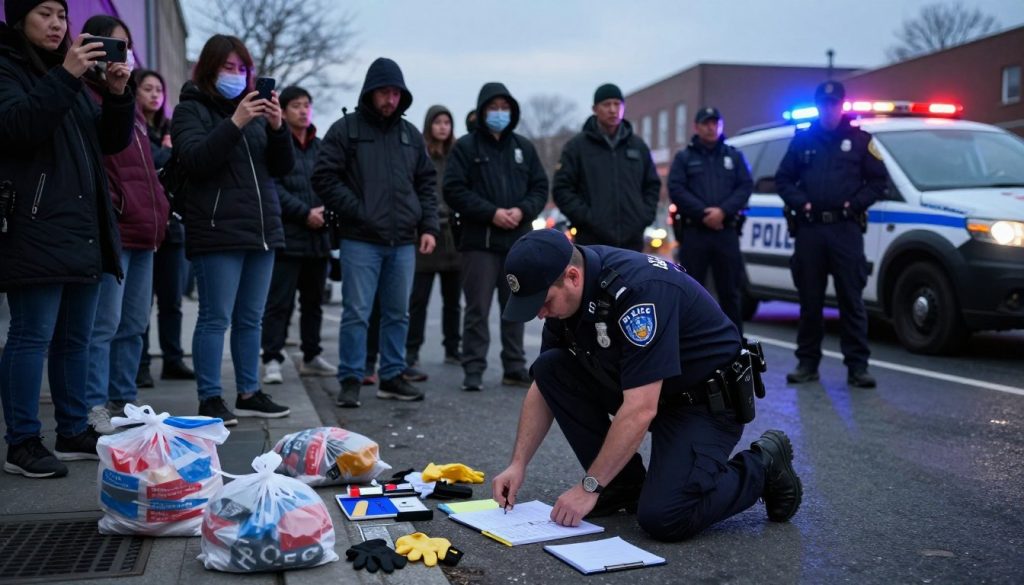
Collecting evidence is a critical step. This includes taking photographs of your injuries and any relevant scenes, preserving video footage if available, and obtaining witness contact information.
Taking Photographs and Preserving Video
Visual evidence can be compelling. Take clear, dated photographs of your injuries and preserve any video footage that may have captured the incident.
Obtaining Witness Contact Information
Witnesses can provide valuable testimony. Ensure you collect their contact information for future reference.
Writing Your Detailed Account
As soon as possible, write down a detailed account of what happened. Include as many specifics as you can remember.
Step 3: File Formal Complaints Through Proper Channels
Filing a formal complaint is essential. This can typically be done through the police department’s internal affairs division or a civilian complaint board.
Step 4: Consult with a Civil Rights Attorney
Consulting with a civil rights attorney can provide you with the guidance needed to navigate the legal process and protect your rights.
| Action | Purpose |
|---|---|
| Get Medical Treatment | Ensure well-being and document injuries |
| Collect Evidence | Support your case with visual and testimonial evidence |
| File a Formal Complaint | Notify the authorities and start the legal process |
| Consult a Civil Rights Attorney | Navigate the legal system and protect your rights |
7. Legal Remedies and Support Resources at Your Disposal
Those who have faced excessive police force can turn to the law for support and justice. Understanding the available legal remedies is crucial for victims seeking recourse.
Pursuing a Section 1983 Federal Civil Rights Claim
A Section 1983 claim allows individuals to sue state actors, including police officers, for violating their constitutional rights. This federal law provides a powerful tool for holding law enforcement accountable for their actions.
Understanding Criminal Prosecution Possibilities
In cases of severe misconduct, criminal prosecution may be pursued against offending officers. This process involves the state or federal government bringing charges against the officers involved.
Filing Internal Police Department Grievances
Filing a complaint with the police department’s internal affairs division is another avenue for addressing grievances. This process allows for an internal investigation into the alleged misconduct.
Organizations Ready to Assist You
Several organizations provide support and legal assistance to victims of police brutality. These include:
American Civil Liberties Union (ACLU)
The ACLU is a prominent organization dedicated to protecting individual rights and liberties, including those related to police misconduct.
National Police Accountability Project
This organization focuses on holding law enforcement accountable through legal action and advocacy.
State and Local Legal Aid Organizations
Various state and local organizations offer legal aid and support to individuals dealing with police misconduct issues.
| Organization | Focus | Services |
|---|---|---|
| ACLU | Protecting individual rights and liberties | Legal assistance, advocacy |
| National Police Accountability Project | Holding law enforcement accountable | Legal action, advocacy |
| State and Local Legal Aid Organizations | Providing legal aid to individuals | Legal assistance, support |
Protecting Your Rights and Promoting Police Accountability
Understanding your constitutional protections against excessive police force is crucial in maintaining a fair and just society. The Fourth and Fourteenth Amendments provide essential safeguards against unreasonable seizures and ensure due process.
By being aware of your rights and recognizing the signs of excessive force, you can protect yourself during police encounters. If you experience or witness police misconduct, seeking help and reporting incidents are vital steps toward promoting police accountability.
Leveraging resources such as filing formal complaints, consulting with a civil rights attorney, and pursuing legal remedies can help ensure that your rights are upheld. By standing together for constitutional protections, we can foster a culture of transparency and accountability within law enforcement agencies.