

Did you know that major U.S. cities often pay out over $300 million every year for civil rights claims? This massive figure highlights why law enforcement accountability is more vital today than ever before. Learning how these internal reviews work helps build trust between officials and the neighbors they serve.
Finding the path to justice can feel hard for many people in our communities. This guide makes the process of seeking transparency simple and shows what to expect in a formal inquiry. We believe that clear facts help everyone follow high rules of professional behavior.
When we talk about these oversight steps, we are looking at the heart of public safety. Trust grows through honest work and a promise to do what is right. Let us see how these systems protect your rights and keep our towns safe for everyone.
Key Takeaways
- Transparency builds stronger bonds within local neighborhoods.
- Oversight ensures that staff follow strict ethical rules.
- Public records are key for conducting honest reviews.
- Large legal payouts significantly impact city budgets.
- Formal claims give citizens a way to be heard.
- High standards of behavior protect the rights of all people.
Understanding What Constitutes Police Misconduct
Recognizing police misconduct requires a comprehensive understanding of the different types of behavior that violate professional standards in policing. Police misconduct cases can involve a wide range of actions, from excessive use of force to discriminatory practices.
Types of Misconduct Behavior
Misconduct behavior can manifest in various forms, including:
- Excessive use of force
- False arrest or detention
- Discriminatory practices
- Verbal abuse or harassment
- Corruption or bribery
These behaviors not only violate the trust between law enforcement and the community but also undermine the integrity of the justice system. As noted by the International Association of Chiefs of Police, “Maintaining public trust is essential to effective policing.”
| Type of Misconduct | Description | Example |
|---|---|---|
| Excessive Force | Using more force than necessary to subdue or apprehend an individual. | A police officer using physical force against a compliant suspect. |
| False Arrest | Detaining someone without probable cause or legal justification. | Arresting someone for a crime they did not commit. |
| Discriminatory Practices | Treating individuals differently based on race, gender, or other protected characteristics. | Profiling individuals based on their ethnicity. |
Distinguishing Between Policy Violations and Criminal Acts
It’s crucial to differentiate between policy violations and criminal acts. While all criminal acts are serious, not all policy violations rise to the level of criminal behavior. Understanding this distinction is vital for appropriate action.
As stated by the National Institute of Justice, “The line between policy violations and criminal acts can sometimes be blurry, but it’s essential for investigations to clearly distinguish between the two.”
Your Constitutional Rights During Police Encounters
Knowing your constitutional rights during police encounters is fundamental. The Fourth Amendment protects against unreasonable searches and seizures, and the Fifth Amendment safeguards against self-incrimination.
“The right of the people to be secure in their persons, houses, papers, and effects, against unreasonable searches and seizures, shall not be violated.” – Fourth Amendment to the U.S. Constitution
Understanding these rights can help individuals navigate interactions with law enforcement more effectively. If you believe your rights have been violated, documenting the incident and seeking legal counsel can be crucial steps.
Recognizing and Documenting Misconduct When It Happens
Understanding how to identify and document police misconduct is essential for ensuring accountability. When individuals know how to recognize the signs of misconduct and take appropriate action, they can significantly contribute to promoting transparency and justice.
Identifying Warning Signs During Police Interactions
During interactions with law enforcement, being aware of your surroundings and the behavior of the officers is crucial. Some warning signs of potential misconduct include:
- Excessive use of force or aggressive language
- Disregard for established protocols or procedures
- Unprofessional behavior or discriminatory remarks
Staying calm and observant during these interactions can help you identify any potential misconduct. If you witness or experience something that seems inappropriate, it’s vital to document it as thoroughly as possible.
Safe Documentation Methods
Documenting incidents involving potential police misconduct requires careful consideration to ensure safety and accuracy. Here are some methods to consider:
Recording Video and Taking Photographs
If it’s safe to do so, recording video or taking photographs can provide valuable evidence. Ensure that you’re not interfering with the police operation or putting yourself at risk. The use of smartphones has made it easier for individuals to capture high-quality video and photos that can be used in police abuse investigations.
As soon as possible after the incident, write down everything you remember. Include details such as the date, time, location, and descriptions of the officers involved. This written record can be crucial for internal affairs investigations.
Collecting Witness Contact Information
If there were witnesses, try to obtain their contact information. Their testimonies can corroborate your account and strengthen any complaint you might file.
Preserving Medical Records and Physical Evidence
If you were injured during the incident, seek medical attention immediately. Preserving medical records is vital as they can serve as critical evidence. Additionally, if there is any physical evidence related to the incident, such as damaged clothing or objects, preserve them carefully as they may be used in investigations.
By understanding how to recognize and document police misconduct, individuals can play a significant role in ensuring that police abuse investigations are thorough and that internal affairs investigations are effective in holding officers accountable.
How to File a Police Misconduct Complaint Step-by-Step
The process of filing a police misconduct complaint can seem daunting, but breaking it down into manageable steps can simplify the task. Understanding these steps is crucial for promoting police accountability measures and ensuring that complaints are handled properly.
Step 1: Identify the Correct Agency to Contact
The first step in filing a complaint is to identify the correct agency to contact. This could be the police department’s internal affairs division, a civilian review board, or a state or local oversight agency. It’s essential to direct your complaint to the appropriate body to ensure it’s processed correctly.
Step 2: Gather and Organize Your Evidence
Gathering and organizing evidence is a critical step in building a strong complaint. This can include witness statements, photographs, video footage, and any relevant documentation. Keeping your evidence organized will help in filling out the complaint form accurately.
Step 3: Choose Your Filing Method
There are several ways to file a police misconduct complaint. The method you choose may depend on the agency’s policies and your personal preference.
Online Complaint Portals
Many police departments now offer online portals for filing complaints. These portals can provide a convenient and straightforward way to submit your complaint.
In-Person Filing at Police Stations
Filing a complaint in person allows you to directly interact with the department’s representatives. Be prepared to provide detailed information and evidence.
Mail or Written Submissions
Some agencies accept complaints via mail. When using this method, ensure you keep a copy of your complaint and any supporting documents.
Step 4: Complete the Complaint Form Thoroughly
When filling out the complaint form, be as detailed as possible. Include dates, times, locations, and descriptions of the incident. Attaching your gathered evidence can strengthen your complaint.
Step 5: Keep Records of Your Submission
After submitting your complaint, make sure to keep a record of your submission. This can include a copy of the complaint form, any reference numbers provided, and subsequent correspondence with the agency.
| Filing Method | Advantages | Disadvantages |
|---|---|---|
| Online Portal | Convenient, straightforward | Limited interaction, technical issues |
| In-Person | Direct interaction, immediate feedback | Time-consuming, potentially intimidating |
| Mail/Written | Paper trail, flexibility | Slow process, potential for loss |
Filing a police misconduct complaint is a vital step towards promoting police accountability measures and ensuring that law enforcement agencies are transparent and just. By following these steps, individuals can effectively navigate the complaint process and contribute to police corruption probes.
How Police Misconduct Investigations Actually Work
Delving into the specifics of police misconduct investigations reveals a structured process designed to address allegations thoroughly. This process is crucial for maintaining public trust and ensuring that any misconduct is identified and addressed appropriately.
Investigation Timeline and What to Expect
The timeline for police misconduct investigations can vary significantly depending on the complexity of the case and the jurisdiction. Generally, investigations can take anywhere from a few weeks to several months or even years to complete. It’s essential for complainants to understand that thoroughness is prioritized over speed.
Key stages in the investigation timeline include:
- Initial review of the complaint
- Gathering and analysis of evidence
- Interviews with witnesses and involved officers
- Compilation of a detailed report
Who Investigates Police Misconduct Cases
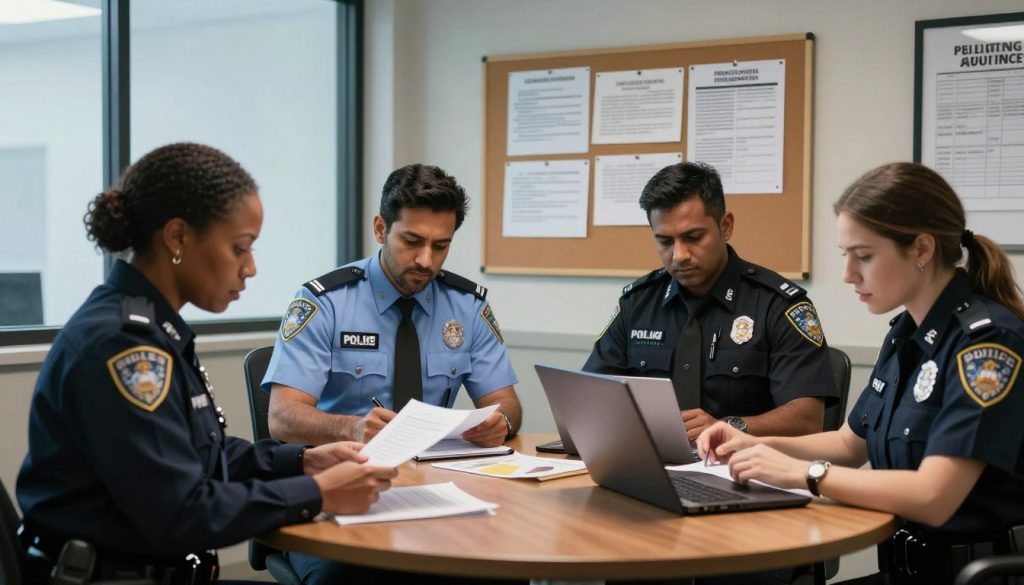
Police misconduct cases can be investigated by various entities, including internal affairs divisions within the police department, civilian review boards, or external oversight agencies. The specific entity responsible often depends on the jurisdiction and the nature of the complaint.
Your Responsibilities as a Complainant
As a complainant, it’s crucial to cooperate fully with the investigation. This includes providing detailed and accurate information, preserving evidence, and being available for interviews. Understanding your role and responsibilities can significantly impact the effectiveness of the investigation.
Some key responsibilities include:
- Providing a clear and detailed account of the incident
- Submitting any relevant evidence or documentation
- Being available for follow-up questions or interviews
Confidentiality Protections and Limitations
Confidentiality is a significant concern for complainants. While investigations are typically conducted with a degree of confidentiality, there are limitations to this confidentiality, especially in cases that proceed to public hearings or court proceedings.
It’s essential to understand that while efforts are made to protect the identity of complainants, complete anonymity cannot always be guaranteed, particularly in high-profile cases or those that attract significant public attention.
Internal Affairs Versus External Oversight Bodies
When it comes to addressing police misconduct, the distinction between internal affairs divisions and external oversight bodies is crucial for ensuring accountability. Police departments across the United States employ a combination of internal and external mechanisms to investigate allegations of misconduct.
The internal affairs division is typically responsible for investigating allegations of misconduct within a police department. These divisions are staffed by sworn officers who have the authority to investigate complaints and recommend disciplinary actions.
How Internal Affairs Divisions Function
Internal affairs divisions operate under the police department’s command structure, which can sometimes lead to concerns about bias or cover-ups. However, many departments have implemented measures to ensure the integrity of internal affairs investigations.
Key Functions of Internal Affairs Divisions:
- Investigating complaints against officers
- Gathering evidence and interviewing witnesses
- Recommending disciplinary actions
As noted by the International Association of Chiefs of Police, “Internal affairs units play a critical role in maintaining the public’s trust in law enforcement agencies.”
Civilian Review Boards and Their Authority
Civilian review boards, on the other hand, are external oversight bodies composed of community members who review complaints against police officers. These boards can provide an independent perspective on police misconduct allegations.
Authority of Civilian Review Boards:
| Authority | Description |
|---|---|
| Reviewing Complaints | Civilian review boards examine complaints filed against police officers. |
| Investigative Powers | Some boards have the authority to conduct their own investigations. |
| Recommendations | Boards can recommend disciplinary actions to the police department. |
“Civilian review boards are essential for ensuring that police departments are transparent and accountable to the communities they serve.”
State and Federal Oversight Mechanisms
In addition to internal affairs divisions and civilian review boards, state and federal agencies can also play a role in overseeing police misconduct investigations.
Examples of State and Federal Oversight:
- State Attorney General’s Office
- Federal Bureau of Investigation (FBI)
- Department of Justice (DOJ)
Understanding Jurisdiction and Authority Limits
It’s essential to understand the jurisdiction and authority limits of each oversight mechanism to ensure effective oversight.
By understanding the roles and responsibilities of internal affairs divisions and external oversight bodies, citizens can better navigate the complex landscape of police misconduct investigations.
The Investigation Process From Start to Finish
The process of investigating police misconduct is multifaceted, involving several key steps from the initial complaint to the final findings. This thorough process is designed to ensure that allegations are taken seriously and examined impartially.
Initial Complaint Review and Assignment
The journey begins with the review of the complaint filed against a police officer. This initial step is crucial as it determines whether the complaint falls within the jurisdiction of the investigating body and if it warrants further investigation. Complaints can be filed by victims or witnesses and are typically submitted to the police department’s internal affairs division or an external oversight agency.
Once a complaint is received, it is reviewed to determine its validity and the appropriate course of action. This may involve assigning the case to a specific investigator or team, depending on the nature of the allegations and the resources available.
Evidence Collection and Analysis
A critical component of any police misconduct investigation is the collection and analysis of evidence. This can include physical evidence, video footage, witness statements, and medical records. Investigators must meticulously gather and examine all relevant evidence to piece together the events surrounding the alleged misconduct.
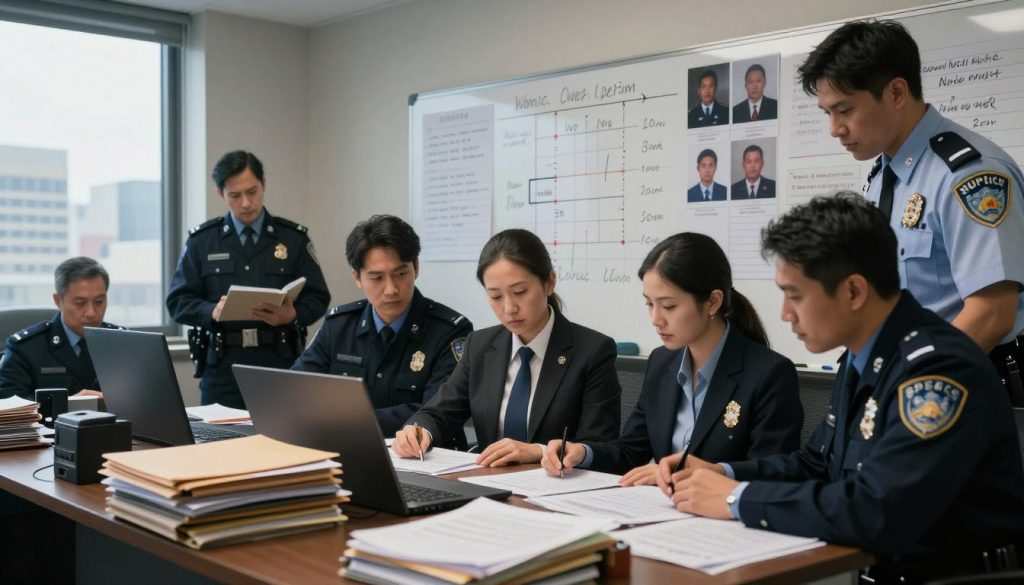
As noted by a former police chief, “The integrity of the investigation depends on the thoroughness of evidence collection and the impartiality of its analysis.” This highlights the importance of a meticulous approach to evidence handling.
Interview Procedures for Officers and Witnesses
Interviews with officers involved in the alleged misconduct, as well as with witnesses, are a vital part of the investigation. These interviews are conducted to gather first-hand accounts and to provide an opportunity for those involved to share their perspectives.
Investigators must be skilled in conducting these interviews to ensure that they elicit accurate and reliable information. The process involves careful questioning and, in some cases, the use of specialized techniques to assess credibility.
Investigation Classifications and Findings
Upon completing the evidence collection and interviews, the investigation reaches its conclusion. The findings are then classified based on the evidence gathered. Possible classifications include sustained, not sustained, unfounded, or exonerated.
- Sustained: The investigation found evidence to support the allegation.
- Not Sustained: The investigation was unable to determine whether the alleged misconduct occurred.
- Unfounded: The investigation found no evidence to support the allegation.
- Exonerated: The investigation concluded that the alleged conduct did occur but was lawful and proper.
The classification of the investigation’s findings is crucial as it determines the next steps, including potential disciplinary actions against the officer or the closure of the case.
Possible Outcomes and Accountability Measures
The resolution of police misconduct cases is pivotal in ensuring accountability within law enforcement agencies. When investigations conclude, various outcomes can emerge, reflecting the complexity and severity of the misconduct.
Disciplinary Actions Against Officers
Disciplinary actions are a critical component of police accountability. These actions can range from mandatory retraining and suspension to termination of employment, depending on the severity of the misconduct.
- Retraining programs to address specific behavioral issues
- Suspension without pay to reflect the seriousness of the misconduct
- Termination for severe or repeated offenses
Criminal Charges and Prosecution
In cases where the misconduct constitutes a criminal act, officers may face criminal charges. Prosecution is a significant step in holding officers accountable under the law, just like any other citizen.
- Investigation by specialized units or external agencies
- Filing of charges based on evidence gathered
- Prosecution in court, with potential penalties including imprisonment
Civil Litigation Options
Victims of police misconduct may also pursue civil litigation against the officers involved or the department. This can result in monetary compensation for damages suffered.
Department Policy Reforms and Systemic Changes
Investigations into misconduct can also lead to broader policy reforms within the department. These changes aim to prevent future incidents by addressing systemic issues or procedural weaknesses.
- Review and revision of use-of-force policies
- Implementation of new training protocols
- Enhanced oversight mechanisms to monitor officer behavior
These outcomes and accountability measures underscore the multifaceted approach to addressing police misconduct, ensuring that law enforcement agencies maintain professional standards in policing.
Conclusion
Understanding police misconduct investigations is crucial for ensuring accountability and transparency within law enforcement agencies. Throughout this article, we’ve explored the complexities of police misconduct cases and the processes involved in police corruption probes.
From recognizing the signs of misconduct to filing a complaint and navigating the investigation process, individuals can now better advocate for their rights and contribute to a more just system.
By shedding light on the intricacies of police misconduct investigations, we empower citizens to hold law enforcement agencies accountable and promote a culture of transparency and accountability.
As police misconduct cases continue to make headlines, it’s essential to stay informed and engaged in the pursuit of justice and reform.